Predator-Proofing Your Chicken Tractor: A Comprehensive Guide
Keeping your chickens safe from predators is paramount for successful backyard poultry farming. A chicken tractor, while offering mobility and pasture rotation, often needs significant modifications to ensure its effectiveness as a predator-proof shelter. This guide provides a step-by-step approach to building a secure chicken tractor, combining robust construction with effective deterrent strategies. We'll explore cost-effective solutions and address common vulnerabilities. Are you ready to build a fortress for your feathered friends? For even more detailed plans, check out these free chicken tractor plans.
Stopping Those Diggers: Securing the Base
Predators frequently attempt to undermine chicken coops to reach the birds. A strong, predator-resistant base is crucial. We'll explore two effective base systems:
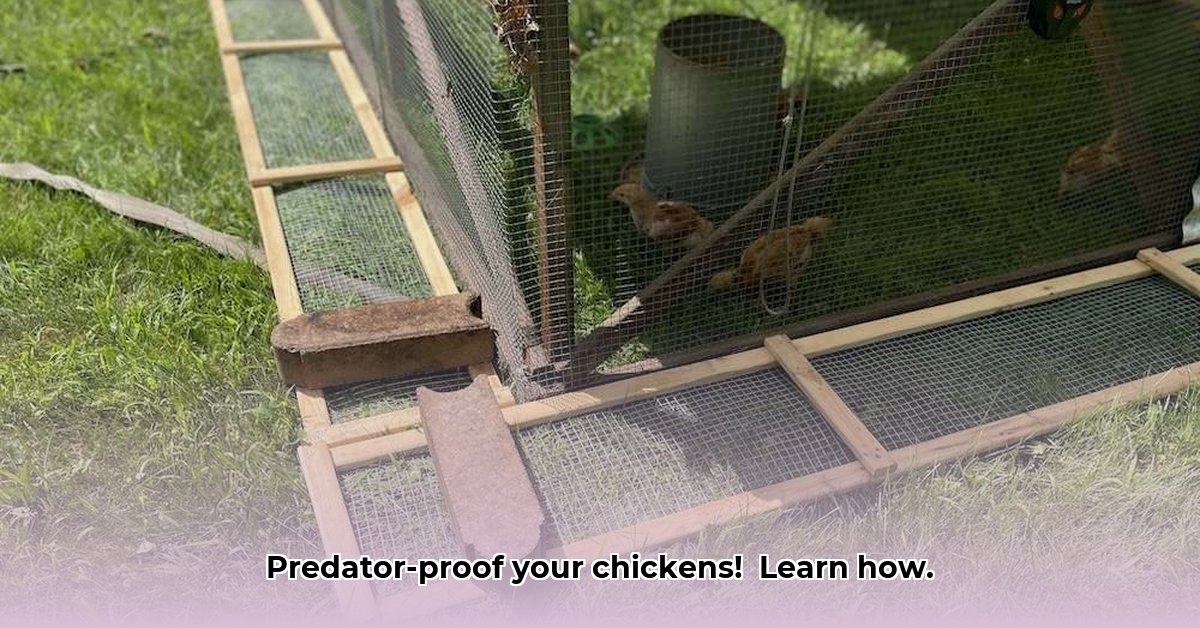
The Removable Skirt: This temporary barrier, easily installed and removed, is ideal for cleaning and tractor relocation. Bury sturdy wire mesh (hardware cloth, 1/2" mesh or smaller, is recommended) a few inches underground and attach it securely to the base.
The Hinged Skirt: A more permanent solution, this hinged mesh skirt offers continuous protection, hinging open for convenient access. Use durable materials and ensure robust hinges for lasting performance.
Layered Defense: A Multi-Sensory Approach
Don't rely on a single deterrent. Implement various strategies targeting a predator's senses:
Sounds That Scare: Motion-activated noisemakers, strategically placed, effectively deter predators with sudden, startling sounds. Simpler options, such as wind chimes or a low-volume radio playing during daylight hours, can also be surprisingly effective.
Bright and Shiny Distractions: Predators are easily startled by unexpected flashes and shimmers. Hanging reflective tape, shiny objects, or brightly colored ribbons can create visual confusion, discouraging approach.
Smells They Don't Like: While not a foolproof method, commercially available predator repellent sprays can offer supplementary deterrence. Remember, maintaining a clean coop is crucial; a smelly environment is far more attractive to predators.
Advanced Protection: Investing in Enhanced Security
For superior protection, consider these advanced options, carefully weighing cost and commitment:
| Technology/Method | Advantages | Disadvantages | Cost |
|---|---|---|---|
| Electric Fencing | Highly effective against various predators | Significant upfront cost, requires regular maintenance | High |
| Livestock Guardian Dog | Excellent natural deterrent, long-term protection | High initial and ongoing cost (food, vet care, training) | High |
Electric fencing provides a strong deterrent but demands significant upfront investment and consistent maintenance. A Livestock Guardian Dog (LGD) offers exceptional protection but requires substantial time, training, and ongoing commitment.
Building Your Predator-Proof Chicken Tractor: A Step-by-Step Guide
This guide outlines the construction of a simple, yet effective, predator-proof chicken tractor:
Build the Frame: Construct a sturdy wooden frame of sufficient size for comfortable chicken movement, yet manageable for relocation. Use pressure-treated lumber for longevity.
Wire Mesh Walls: Enclose the frame completely with strong wire mesh (hardware cloth recommended), ensuring no gaps or access points remain. Securely fasten the mesh using heavy-duty staples or wire.
Install the Skirt: Attach the chosen anti-digging skirt (removable or hinged), ensuring it's buried several inches underground.
The Door: Install a secure door with a robust latch mechanism – this is a critical point of vulnerability.
Roofing: Employ a durable, waterproof roofing material that resists penetration by predators.
Wheels or Runners: Incorporate wheels or runners for easy relocation of the tractor.
Add Your Deterrents: Finally, install the selected sound, visual, and scent deterrents for a multi-sensory layered defense.
Regular inspection and maintenance are vital. While these measures significantly reduce risk, no system offers 100% protection. Remain vigilant and adapt your strategies based on your specific environment and observed predator behavior.
How to Build a Cost-Effective Predator-Proof Chicken Tractor
Key Takeaways:
- Protecting your flock is essential for successful poultry farming.
- A mobile chicken tractor requires modification for enhanced security.
- Effective predator proofing must balance mobility with strong protection.
- Cost-effective solutions involve smart design and readily available materials.
- Local predator species should inform your design choices.
Understanding the Challenges: Why Standard Designs Fail
Standard chicken tractors, while offering portability, often lack adequate predator protection. Raccoons, foxes, weasels, and even determined dogs can easily overcome flimsy designs. Building a truly secure, cost-effective chicken tractor requires addressing these weaknesses head-on.
Designing for Security: Key Features
Focus on simple, affordable enhancements that substantially improve security without compromising portability:
The Impenetrable Base: Digging predators are the primary threat. A robust foundation is non-negotiable. Bury hardware cloth (1/2" mesh or smaller) at least 6 inches deep around the perimeter, creating an impenetrable barrier.
Reinforced Walls: Use strong wire mesh similar to the base, overlapping seams and securing with heavy-duty staples. Consider adding extra bracing for wind resistance and structural integrity.
Secure Entry and Closing: Dedicate considerable planning to secure doors and access points, making them as robust as the rest of the structure.
Smart Material Choices: Repurposed materials can significantly lower costs. Consider using recycled pallets for framing and salvaged hardware cloth. This approach minimizes expenses without compromising security.
Step-by-Step Construction: A Practical Approach
- Plan and Measure: Determine tractor size based on the number of chickens, creating detailed plans with precise measurements.
- Build the Frame: Construct a strong frame using inexpensive, durable materials. Ensure sufficient strength to support the weight of the wire mesh.
- Install the Base: Dig a perimeter trench and securely install the buried hardware cloth, overlapping edges for a seamless barrier.
- Attach the Walls: Attach the wire mesh, overlapping and securing all joints meticulously.
- Add the Roof: Construct a simple, predator-resistant roof to protect against the elements and provide additional security.
- Integrate Doors and Access: Ensure secure, well-fitting doors and latches.
Cost-Effective Enhancements: Maximizing Protection
- Sound Deterrents: Inexpensive wind chimes or motion-activated lights can startle potential predators.
- Visual Deterrents: Strategically placed reflective materials can serve as a visual deterrent.
- Scent Deterrents: Predator-deterrent sprays are readily available, though their effectiveness can vary.
Cost-Benefit Analysis
| Feature | Cost (Low/Medium/High) | Effectiveness (Low/Medium/High) | Notes |
|---|---|---|---|
| Buried Hardware Cloth | Medium | High | Essential for digging predator prevention |
| Reinforced Wire Mesh Walls | Medium | High | Enhances overall security |
| Sound Deterrents | Low | Medium | Supplementary measure |
| Visual Deterrents | Low | Low | Best used in conjunction with other methods |
| Scent Deterrents | Low | Low | Effectiveness varies; may require frequent renewal |
Remember, a secure chicken tractor is an investment in your flock's well-being and the success of your poultry operation. By combining robust construction with layered deterrent strategies, you can significantly reduce predation risks and enjoy the rewards of homegrown eggs with peace of mind.